
To develop best-in-class therapies that may offer potential life-changing benefits for patients with cancer and autoimmune diseases.
Autolus aims to address an unmet need in cancer and autoimmune disease by engineering new, effective treatment options. We combine T-cell biology, advanced cell programming, clinical development and manufacturing expertise to develop therapies designed around patient need and disease biology.
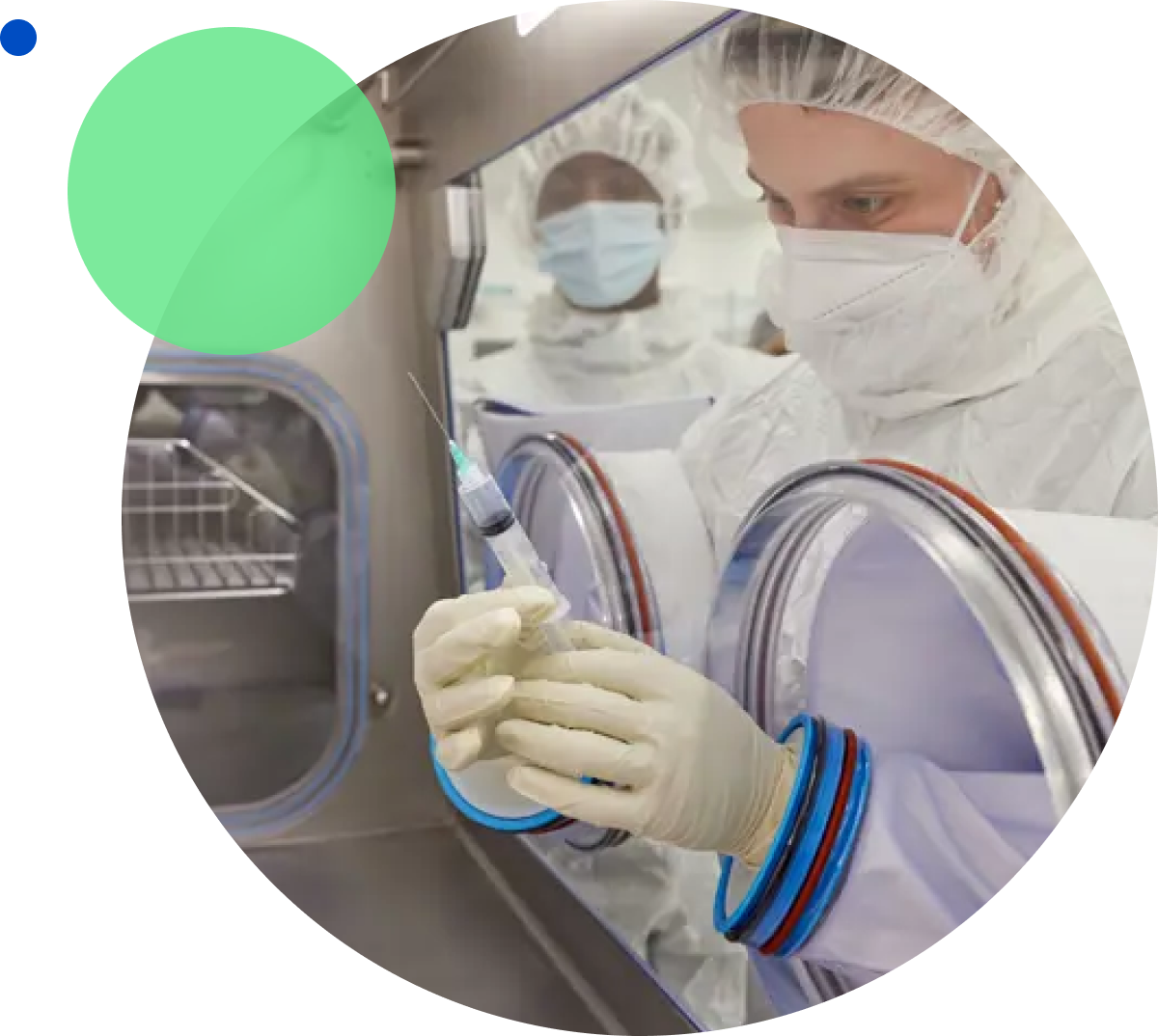
A Timeline of our History
From UK scientific discovery to integrated cell therapy development
Founded in 2014 as a University College London (UCL) spin-out,
on advanced cell programming technology pioneered by Dr Martin Pule, Autolus has grown into an
integrated company combining UK science with research, clinical development, manufacturing and
commercialisation capabilities to advance T-cell therapy.
Autolus is founded by Dr Martin Pule and is spun out from UCL
£30 million Series A investment from founding investor Syncona
Publication of RQR8 Safety Switch in Blood
Autolus secures £40 million Series B financing
The first patients were dosed with AUTO1 for paediatric ALL and AUTO6 for Neuroblastoma
Collaboration with CGT Catapult Manufacturing Facility
The first patients were dosed with AUTO1 for adult ALL, AUTO2 for multiple myeloma and AUTO 3 for pALL and DLBCL
Publication of AUTO 4 in Nature Medicine
Publication of Rapacasp9 safety switch in Molecular Therapy
Publication of AUTO1 mechanism of action and pALL Ph1 in Nature Medicine
Starts FELIX trial for AUTO1 in adult ALL
Publication of AUTO6 for neuroblastoma Ph1 in Science Translational Medicine
Publications of AUTO1 mechanism of action in Nature Cancer
Publication of AUTO1 adult ALL Ph1 in Journal of Clinical Oncology
Pivotal Phase 2 FELIX study meets primary endpoint
Licensing deals with Moderna and BMS were secured
Handover of the first clean rooms in Stevenage
A licensing deal with Cabaletta Bio was secured
Autolus submits first BLA to US FDA for patients with r/r adult ALL
A strategic CAR T-cell therapy collaboration with BioNTech to advance the pipeline and expand late-stage programs was secured
Autolus received first U.S. FDA approval
UK Medicines and Healthcare products Regulatory Agency (MHRA) grants conditional marketing authorisation
European Commission (EC) grants marketing authorisation
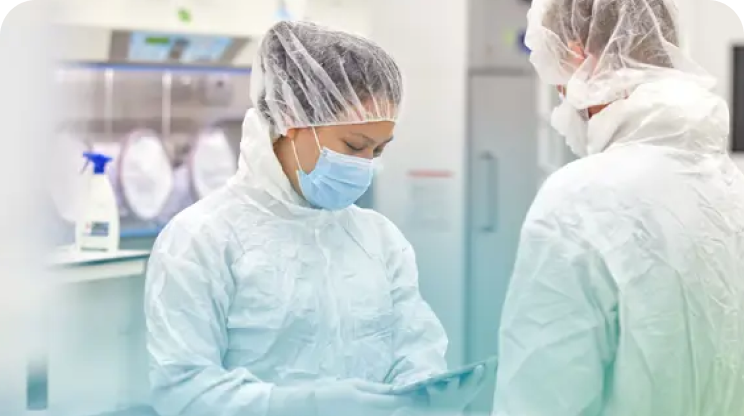
About us
Autolus brings together science, clinical development and manufacturing expertise to advance autologous CAR T-cell therapies for cancer and autoimmune diseases.
Leadership
Our leadership brings experience across T-cell therapy, oncology, immunology, manufacturing, commercialisation and biopharmaceutical company building.

Culture and Values
The way we work matters.
Our values, focus, respect, integrity and breakthroughs, guide how we work together, make decisions and pursue our mission.
Help build the solution

Solving challenges in cell therapy requires people with diverse skills, perspectives and experience.

Across science, clinical development, manufacturing, quality, regulatory and corporate functions, our teams work together to improve patient outcomes.

We aim to create a flexible, inclusive workplace where people can grow, contribute and help move our science closer to patients.
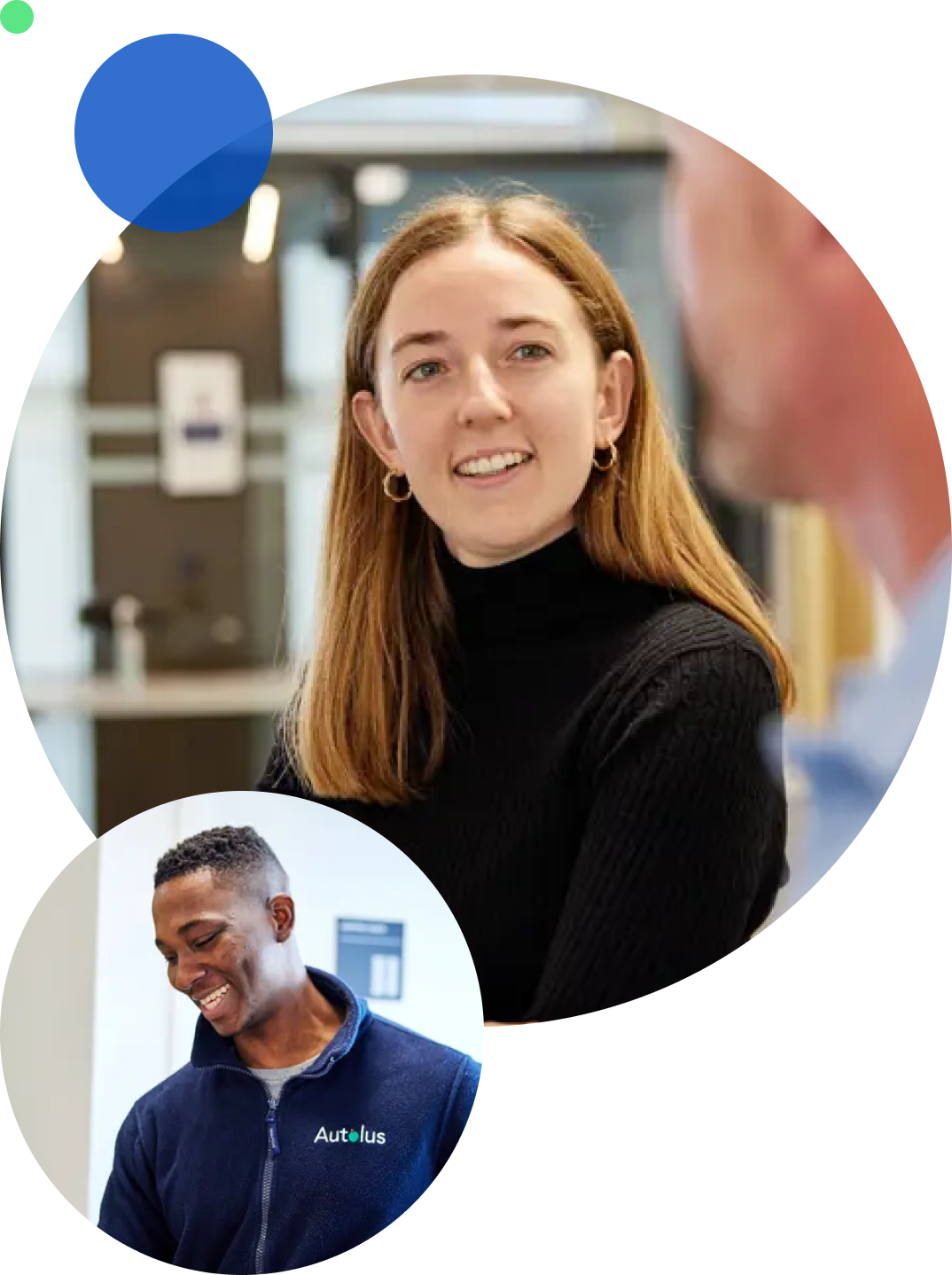
Where the Autolus solution comes to life


Innovation
Autolus applies advanced T-cell programming technologies to engineer precisely targeted and controlled T-cell therapies, supported by expertise across CAR T-cell therapy, pipeline development and UK manufacturing.

Clinical Trials
Learn how Autolus-supported clinical trials help evaluate investigational therapies in defined patient groups, generating evidence to better understand their safety and clinical effectiveness.